Understanding Payment Gateway APIs: A Comprehensive Guide


Every time a client pays on your website, using various payment, by card, wallet, or UPI, dozens of hidden processes start working behind the scenes. How does the payment reach your account? Who verifies it? And what makes it secure? The answer lies in the Payment Gateway API — the invisible link that connects your business, your clients, and the banking system. By reading this guide, you will start understanding Payment Gateway API and how your website or application interacts with payment systems.
Definition of a Payment Gateway API
Payment Gateway API is a tool that connects your website or application to a payment system. It’s built on an API (Application Programming Interface) — a set of rules that allows different programs to exchange data.
But it’s important to understand that the API is only part of the system.
The payment gateway itself does much more:
- encrypts and protects card data;
- checks if there are enough funds on the customer’s account;
- communicates with both the customer’s and the merchant’s banks;
- returns a response about the payment result.
The API, in turn, makes this communication possible — it sends requests from your website to the payment gateway and receives responses back.
Key Features of Payment Gateway APIs
Mature payment APIs are designed to handle timeouts, retries, and idempotency so duplicate charges are avoided even when networks flap. Thoughtful SDKs and clear error models shorten build time. The following capabilities are common and help automate the payment process from checkout to reconciliation:
- Idempotency keys to prevent double charges during client or network retries.
- Tokenization so payment details are securely vaulted outside your infrastructure.
- Webhooks/postbacks with signature validation and replay protection for asynchronous events.
- Dispute and risk tools so APIs help fraud teams act without custom builds.
- Reports and exports that APIs provide to finance for settlement and reconciliation.
- Sandbox environments that mirror production to de‑risk releases.
When these elements are in place, APIs work predictably at scale and enable consistent behavior across acquirers and regions.
Supported Payment Methods in Payment Gateway APIs
Gateways typically support cards, bank transfers, wallets, pay‑by‑link, and installments. Catalog endpoints list methods available per country and currency, so you can offer multiple payment options and record each shopper’s preferred path. For cross‑border, support for international rails and local wallets is essential. Offer payment paths that reflect local norms and expectations.
| Method | Typical channel | Practical note |
|---|---|---|
| Cards | Web, app, POS | Broad acceptance; SCA commonly via EMV 3‑D Secure 2.x |
| Bank transfers | Web, app | Lower cost for high‑value invoices |
| Wallets | Web, app | Fast confirmation; strong mobile UX |
| Pay‑by‑link | Web, chat, email | Invoices and payment links for remote checkout |
| BNPL/Installments | Web, app | Useful for larger baskets and conversion lifts |
Selecting among these starts with customer research, regulatory checks, and operational readiness. Many teams support multiple scenarios first, then iterate as data arrives.
Technical Aspects of Payment Gateway API Integration
This refers to all the technical details involved in connecting a payment gateway to your website or application. It’s not about general principles or business processes, but about how to make the system actually work. It includes:
API Methods
These are the commands your website sends to the payment gateway to check a card, charge money, or initiate a refund.
Data Formats
Standardized protocols that define how payment information is structured and transmitted between systems.
Security Standards
Comprehensive protection including data encryption, tokenization, and strict adherence to PCI DSS standards.
Error Handling
Automated protocols that manage failed payments or sudden connection interruptions with the bank.
Testing Environment
A dedicated developer environment (sandbox) to test the integration process thoroughly before going live.
Webhooks and Notifications
Mechanisms that ensure your website receives real-time, automated updates on transaction statuses and payment events.
In other words, it’s everything a developer or technical specialist needs to know to ensure the payment gateway works correctly on your website or app.
Benefits of Using a Payment Gateway API
Integrating a Payment Gateway API brings all your payment processes together in one place, making online transactions simpler, faster, and more reliable. It not only improves the experience for your clients but also reduces complexity for your business operations. Here’s how it helps:
Simplifying Technology Infrastructure
A Payment Gateway API unifies different systems (banks, wallets, card networks) in one place, standardizing error codes and centralizing management to lower maintenance costs and reduce errors.
Smart Payment Routing
The API directs payments based on location, currency, or issuing bank, choosing the fastest or most cost-effective route to improve reliability and reduce the risk of failures.
Flexible User Interface (UI)
Update designs and add new payment methods for different markets without breaking the system, allowing for faster innovation without risking payment reliability.
Seamless Client Experience
A properly implemented flow makes payments fast and secure, which is crucial for increasing conversion and improving client retention.
Secure Payment
Control security and compliance processes independently of individual systems, ensuring client protection and adherence to financial regulations.
Clear Separation of Roles
The processor manages bank connections while your team focuses on product and business logic, speeding up problem resolution and reducing confusion.
Faster Issue Resolution
Clear responsibilities mean errors are fixed faster, allowing the business to operate smoothly without operational delays.
Time and Resource Savings
Fewer integrations and less manual work save developer hours and reduce maintenance costs while speeding up the rollout of new features.
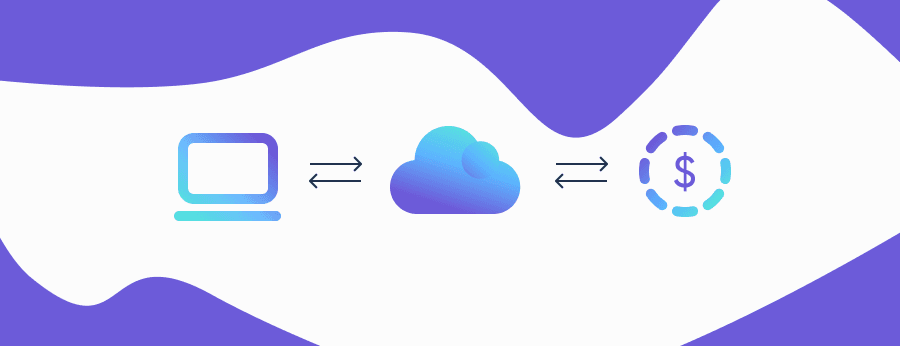
In summary, a Payment Gateway API streamlines your operations, improves security, enhances the client experience, and saves both time and resources, making it an essential tool for any business that handles online payments.
Enhancing the Online Payment Experience
Checkout quality influences approvals and drop‑off. Keep inputs short, default values smart, and wallet buttons visible. Expose payment options that match demand, and guide shoppers with inline validation so payment information is accurate the first time. When you process payments quickly and predictably, support requests fall and repeat purchase rises.
Localization matters. Labels, address formats, and available methods should reflect regional norms. For subscriptions, tokenized credentials reduce churn; for one‑off orders, fast wallets lower friction. Taken together, these design choices raise completion rates without hype.
Improving Security with Payment Gateway APIs
Start with minimization: collect the least data required and store as little as possible. Vault PANs and use network or gateway tokens so you never handle raw card numbers at rest. Treat webhooks as code‑execution entry points that require strict verification (signatures, timestamps, replay protection). Align controls to PCI DSS v4.0.1; note that many future‑dated requirements become effective on March 31, 2025. For a refresher on tokenization, see what tokenization means and how it reduces audit effort. With robust token vaults, payment APIs can manage lifecycle events and credential updates without exposing raw data. The outcome is a predictable risk posture and cleaner incident response.
Integration of Payment Gateway APIs into Your Website or App
There are two dominant patterns. First, direct payment API integration where the front end collects card data via hosted fields, creates a token, and the server completes capture or fulfillment. Second, server‑to‑server flows where only tokens traverse your systems. A strong API provider documents authentication, versioning, and rate limits clearly so the API allows safe iteration as requirements change.
Teams often integrate the payment gateway once, then add acquirers or methods over time using configuration rather than large rewrites. This lets you integrate payment processing across markets with consistent telemetry and alerting.
Is Complex Integration Slowing You Down?
Steps for Integrating a Payment API
A predictable rollout avoids surprises in production. The sequence below suits most stacks:
- Map flows and states, then integrate payments only on critical paths first.
- Create keys and secrets; store them in a vault, not in code.
- Build the checkout and confirm that payment details are securely captured by hosted fields or tokens.
- Implement webhooks for authorization, capture, refund, and disputes with retries and idempotency.
- Reconcile daily reports and validate fee calculations.
- Pilot with a small cohort; monitor approvals, latency, and error distribution.
This approach scales from startups to enterprises and is a safe API pattern regardless of size. The payment API can vary depending on your risk tolerance and regional reach, but the fundamentals stay stable.
Choosing the Best Payment Gateway for Your Business
When selecting a payment gateway, you want a solution that works reliably, securely, and without extra headaches. Here’s what to focus on that choose a payment gateway:
Supported Payment Solutions
Make sure it accepts the ways your clients like to pay — credit cards, e-wallets, or UPI. Missing a preferred method could lead to lost sales and lower conversion rates.
Security and Compliance
The gateway must protect data with encryption and follow regulations like PCI DSS. This keeps your business safe, ensures client trust, and helps avoid heavy fines.
Integration Ease
Check that it easily connects to your platform. A good gateway allows you to add new payment methods or update the interface without breaking your existing system.
Fees and Costs
Review transaction fees, monthly charges, and costs for international payments. Be wary of hidden fees that can quickly eat into your overall revenue.
Reliability and Support
Downtime means lost sales. Choose a gateway that works consistently and offers responsive, high-quality support to resolve any technical issues immediately as they arise.
A practical example is Paykassma’s online payment gateway. It supports multiple payment methods, ensures secure transactions, integrates smoothly with websites and apps, and provides reliable support. Using payment gateway like this means fewer technical problems, faster payments, and a better experience for your clients.
Security Considerations for Payment Gateway APIs
Every charge starts with a payment request that must be authenticated, authorized, and validated. Your server forms a request to the payment service with amount, currency, and token; it then creates a signed request to the payment gateway. The gateway forwards the payment request to the network for authorization before returning a final decision. Enforce strong signatures, TLS 1.2+ (prefer 1.3), and replay protection to keep tampering risks low.
These steps are routine yet vital. Proper scopes and roles limit access; short token TTLs limit blast radius; and structured logs make it easy to retrace events. When done well, payment gateway APIs enable reliable confirmations across regions and reduce operational noise.
Protecting Sensitive Payment Data
Minimize the footprint. Tokenization and vaulting reduce exposure; hashing and encryption protect storage; strict headers and CSPs deter form‑jacking. In general, payment gateway APIs allow businesses to keep tokens, not PANs, and to pause customer payment flows when risk alerts spike. When audits approach, align controls to the latest PCI DSS and refresh service inventories.
Clear boundaries shorten audits. The gateway handles secure storage and network handoff; your systems limit scope and verify every callback. Document your data map so the payment system remains understandable to new teammates and auditors alike.
Compliance with Payment Card Industry Data Security Standards
Security and compliance are critical when working with a payment gateway API. A key reference is PCI compliance rules, which provide a solid background on PCI DSS.
PCI DSS v4.0.1 sets the baseline for any cardholder‑data environment. Even when your provider handles storage, you still manage policies, access reviews, logging, and vendor oversight. Treat webhook endpoints as in‑scope and validate signatures. Where possible, rely on hosted fields and tokens to lower scope. Your payment processing service and your business share responsibility, so contracts and attestations should reflect the division of labor. Many future‑dated requirements become effective on March 31, 2025.

Compliance is not a one‑time project; it is an operating rhythm. Regular drills, dependency reviews, and incident playbooks keep posture current. Well‑defined payment operations make that rhythm sustainable.
Examples of Popular Payment Gateway API Archetypes
When we talk about “archetypes” in payment gateways, we mean the common models or types of APIs that businesses usually use to handle online payments. Different APIs work in slightly different ways, and understanding these types helps you choose the right one for your business. Here are some of the most common archetypes:
Hosted Payment APIs
These APIs redirect clients to the payment provider’s page to complete the transaction. Your site doesn’t handle sensitive payment data directly, which reduces your security responsibilities. It’s simple to implement but gives you less control over the design and user experience.
Direct/Integrated APIs
With these APIs, the payment process happens entirely on your website or app. You control the interface and user experience completely, but you also handle more security and compliance responsibilities. This type is suitable for businesses that want customized payment flows.
Hybrid APIs
Some gateways offer a mix: critical parts of the payment (like card data entry) are hosted by the provider, while other parts remain on your site. This approach balances security and flexibility.
Marketplace/Platform APIs
Designed for platforms that have multiple vendors or clients, these APIs allow splitting payments, managing commissions, and routing funds to different accounts automatically. Useful for marketplaces, SaaS platforms, or any business with multiple revenue streams.
By understanding these archetypes, you can pick the API model that matches your business needs, balancing security, control, and user experience.
Comparing Different Payment Gateway Providers
When you compare vendors, it’s important to be consistent about what “good” looks like. Run realistic test traffic and measure both successful transactions and failure scenarios. For a clearer understanding of the roles and types of providers, check out this payment gateway vs aggregator guide. It’s especially useful for readers deciding which type of integration fits their business needs.
| Criterion | Why it matters |
|---|---|
| API reliability | Directly tied to conversion and refunds |
| Webhooks quality | Drives accurate ledgers and alerts |
| Risk features | Lowers fraud and chargeback exposure |
| Reporting depth | Speeds reconciliation and audits |
| Regional coverage | Determines cross‑border acceptance |
| Pricing model | Affects margins by payment type |
| Support model | Influences time‑to‑resolve incidents |
Ultimately, payment gateway APIs help businesses standardize acceptance and downstream reporting while expanding payment processing capabilities over time.
Case Studies of Successful Payment API Integrations
A retailer unified cards, transfers, and wallets through one gateway. With routing and failover, the team could extend processing across two acquirers and keep uptime steady during provider incidents.
A subscription platform adopted network tokens so expirations did not interrupt billing. The outcome was fewer declines and fewer manual updates for recurring charges.
A B2B marketplace added pay‑by‑link for field orders so sales teams could invoice and collect without a custom portal. Simple flows and clear reconciliation shortened monthly close.
These stories show how a pragmatic API strategy becomes a durable operating model for digital payment use cases.
Online Payment Company #1
Online payment solutions for all types of businesses since 2019